
ACAP Cape Breton actively works within the Cape Breton Regional Municipality (CBRM) watersheds monitoring species, restoring habitat and collecting relevant climate data. Not only do these watersheds provide safe drinking water, but they’re examples of healthy ecosystems throughout the CBRM - full of life and natural beauty.
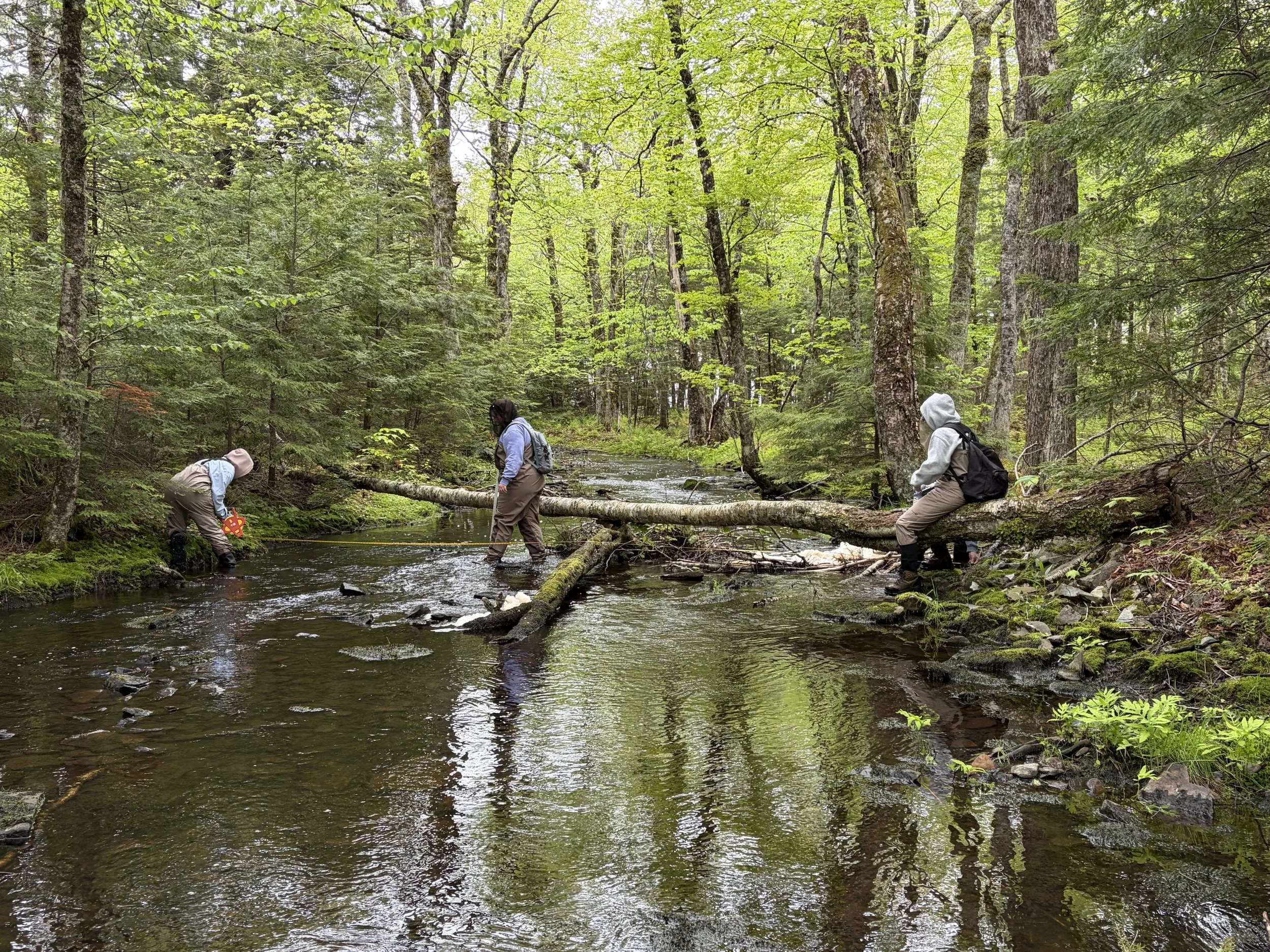
With this page we want to bring attention to the other aspects of a watershed including their biodiversity and ongoing environmental monitoring. We have 6 source water protected areas - 1. Pottle Lake (North Sydney) 2. Kelly Lake (Louisburg) 3. Middle Lake Road Wellfield (Sydney) 4. MacAskill Brook Dam Reservoir (Glace Bay) 5. Waterford Lake & Kilkenny Lake (New Waterford)
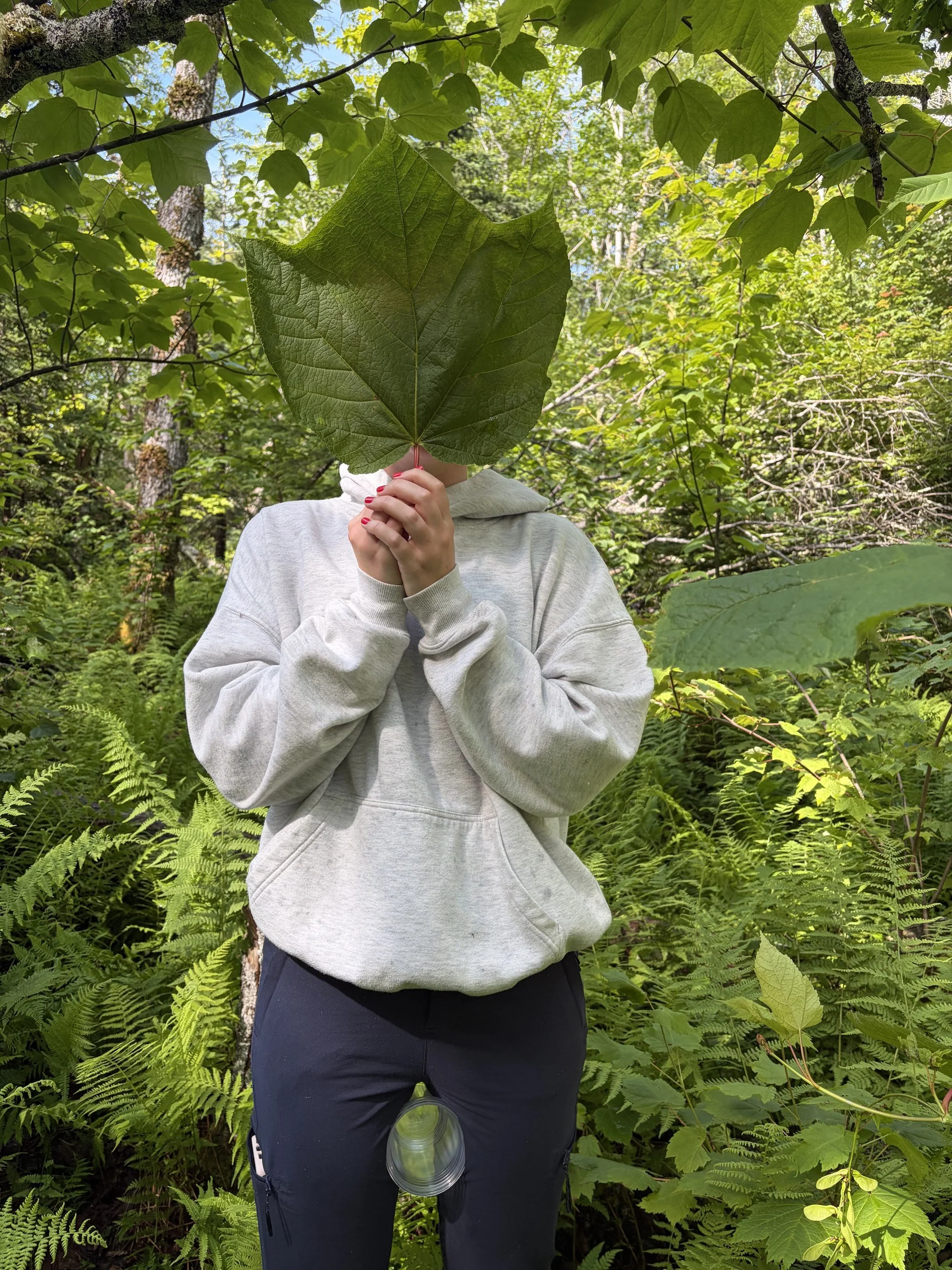
Throughfall “Cups” Project
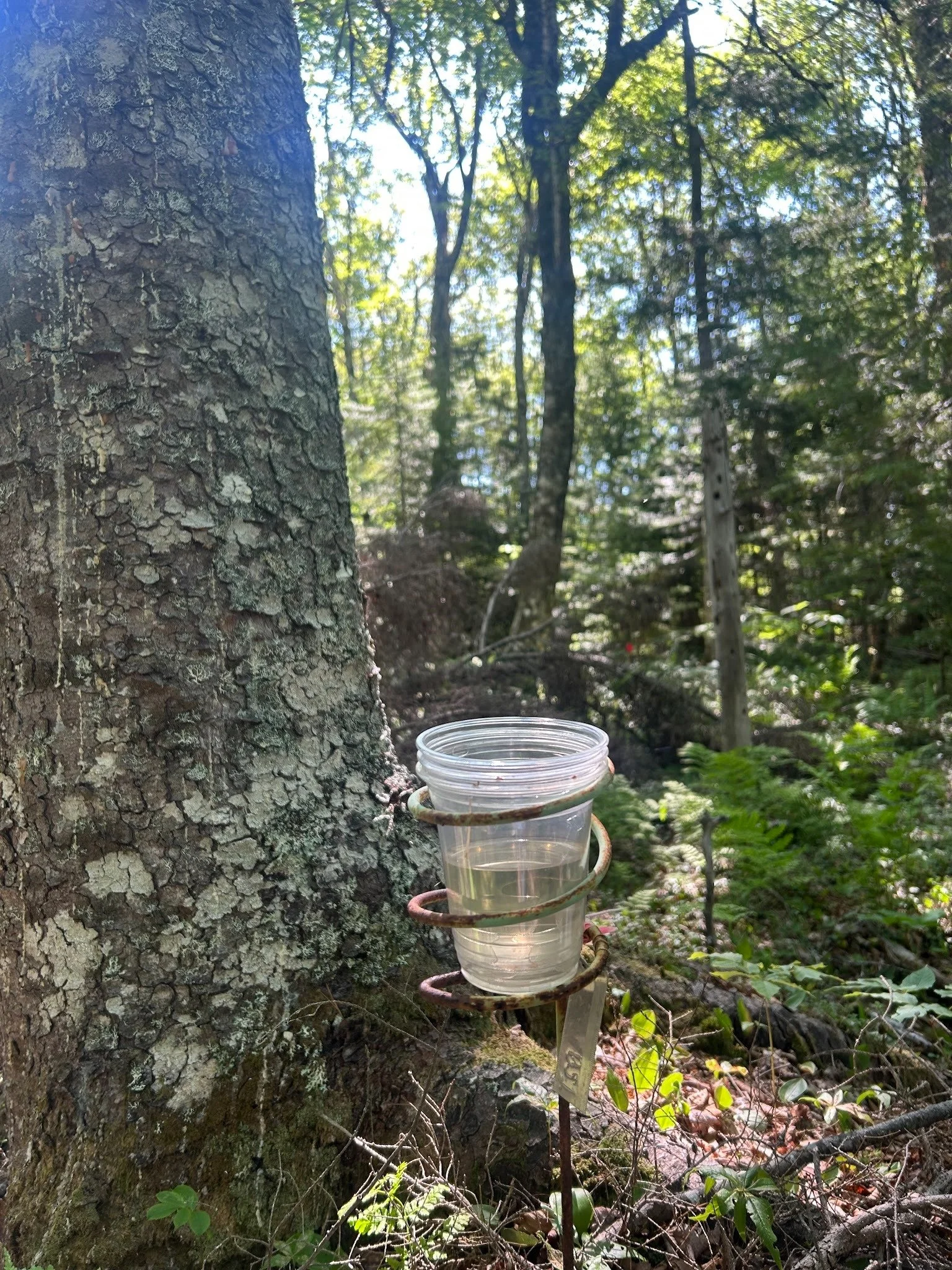
Since 2018, ACAP has been collaborating with the CBRM on a throughfall experiment, to test the effects of conifer versus deciduous angiosperm taxa on water chemistry of throughfall (e.i. rain that falls through the forest canopy) beneath canopies in source water watersheds.
This experiment contributes to ecosystem-based watershed management by monitoring pH and electrical conductivity of throughfall water to mitigate adverse water quality effects of persistent acidifying air pollution and the dominance and high concentration of Na+ in coastal regions caused by ocean spray (CBRM,NS).
Canadian Aquatic Biomonitoring Network
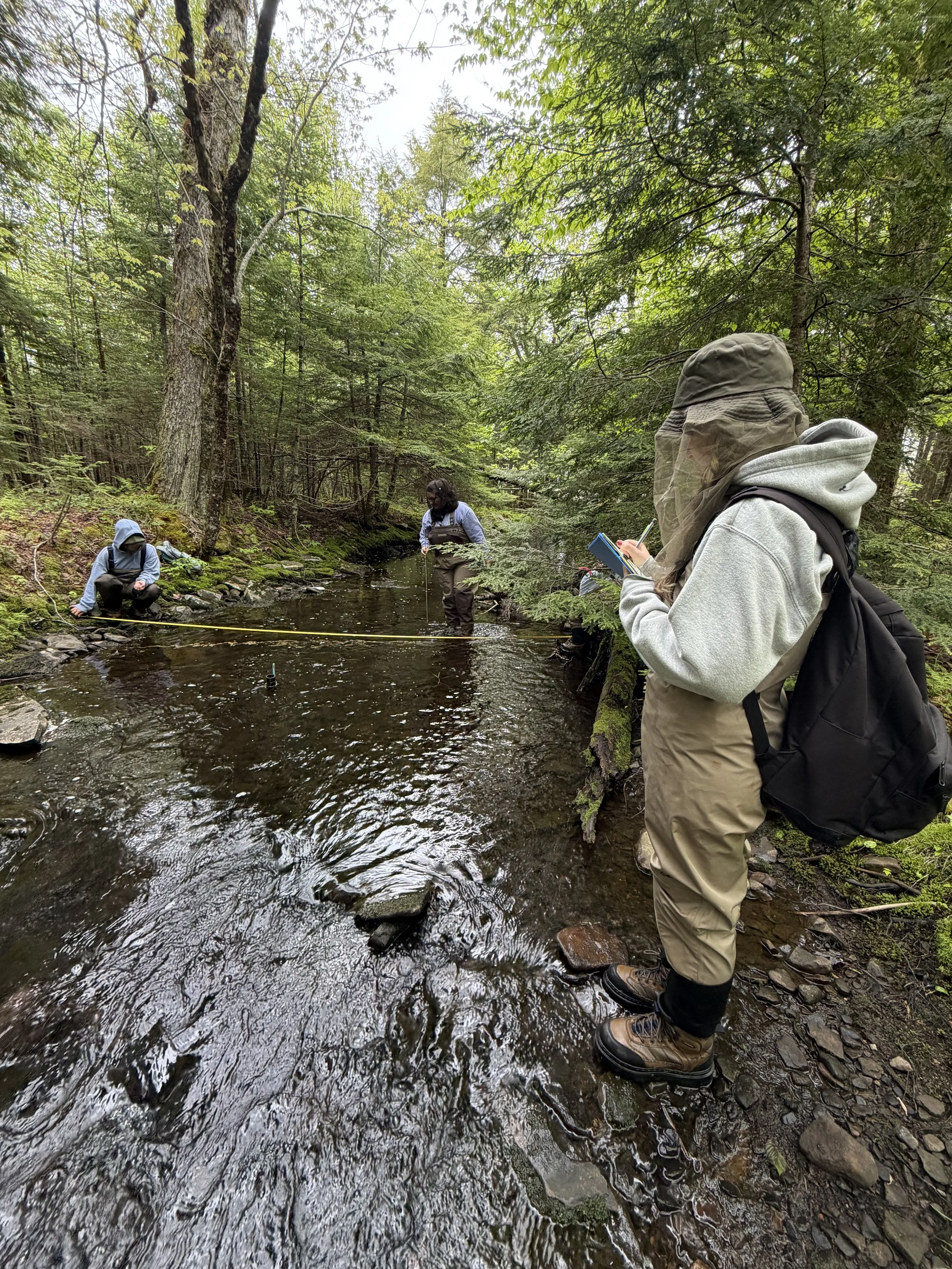
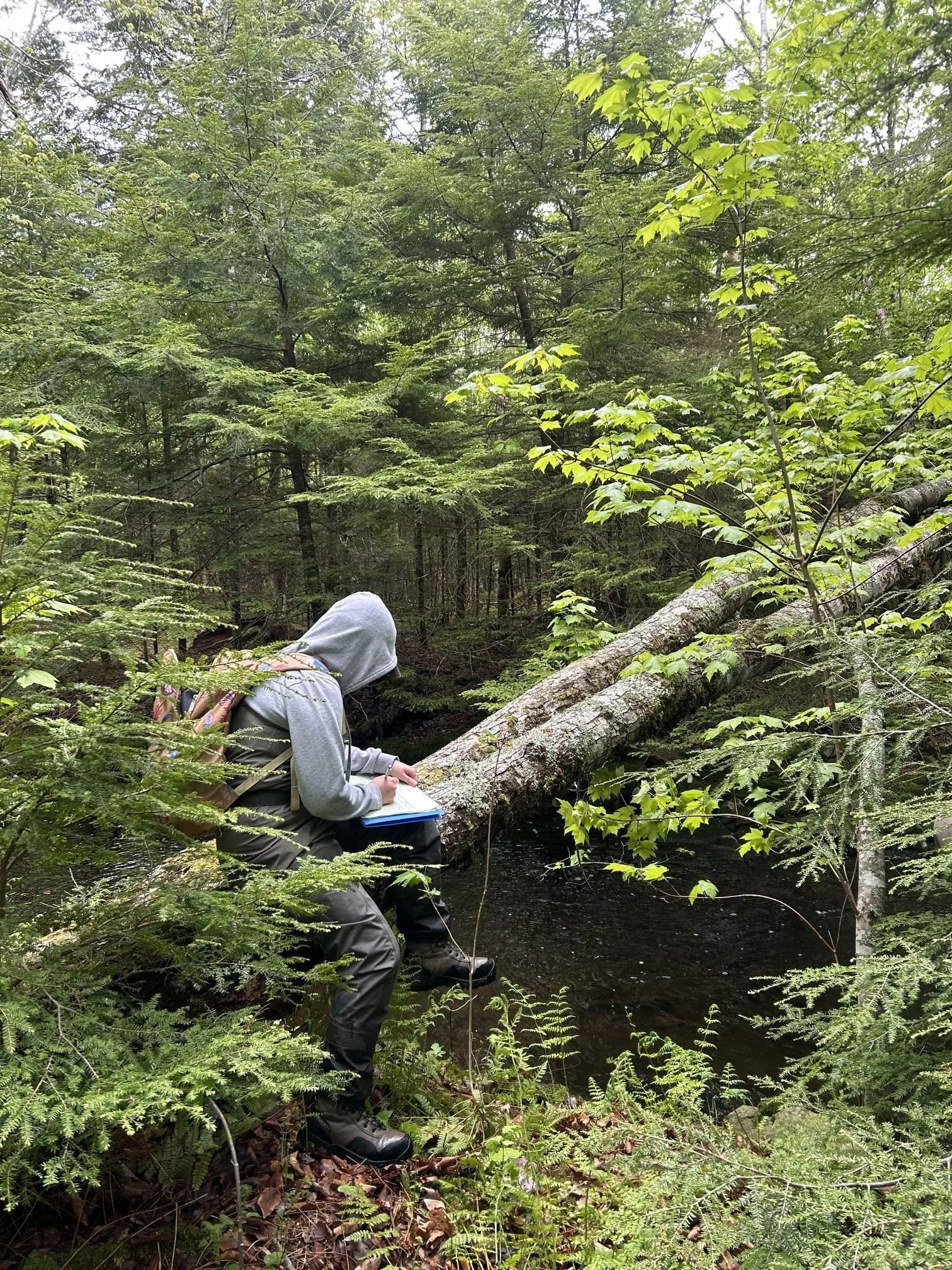
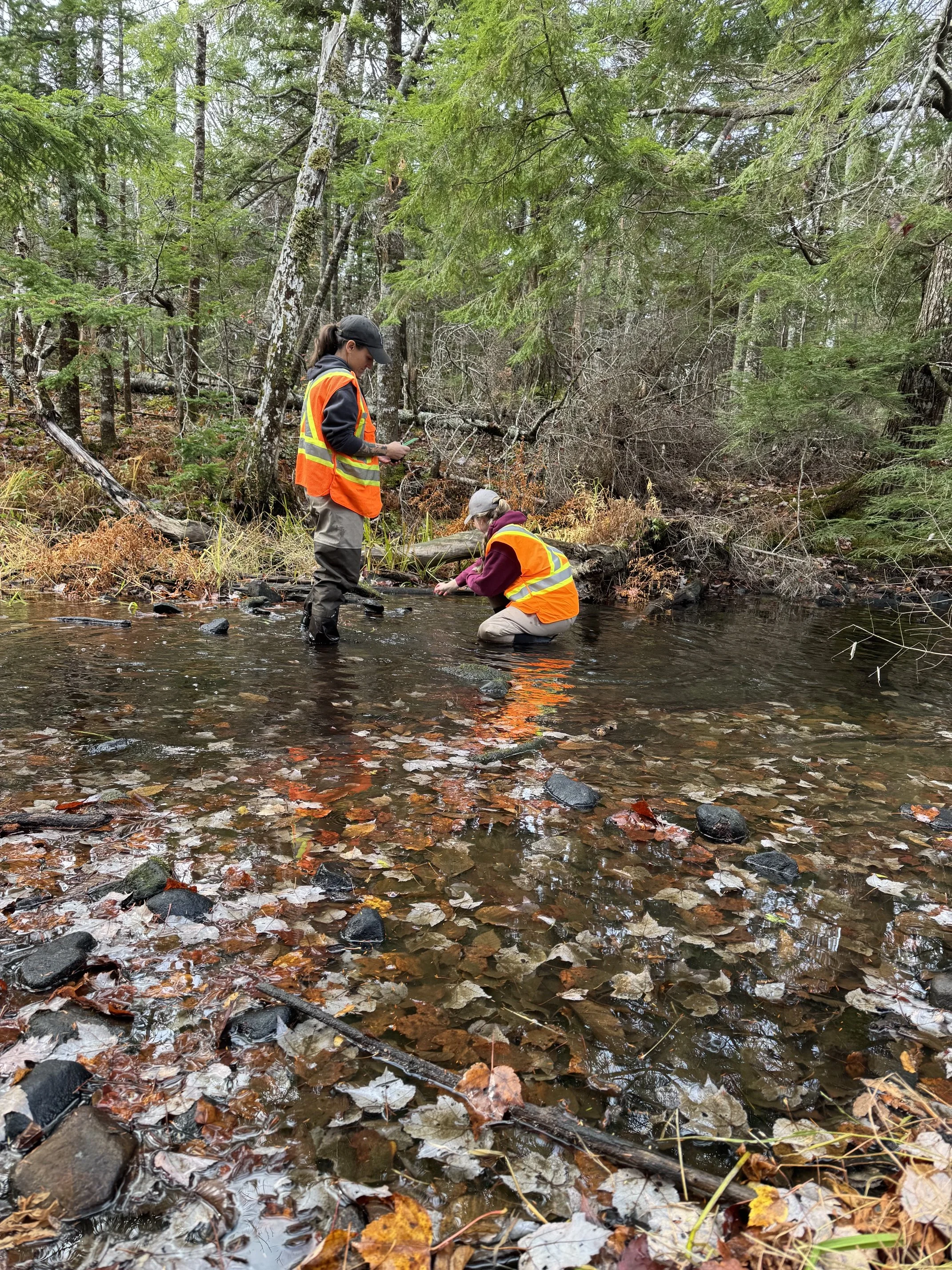
During the month of October, members team complete CABIN in three lake systems per year. Often including our watersheds. It’s a standardized sampling protocol for assessing the condition of aquatic ecosystems - establishing baseline stream-health conditions & monitoring changes where restoration or beneficial management practices can be implemented.
CABIN focuses on benthic macroinvertebrates as they are excellent indicators of aquatic health due to their sensitivity to pollutants and climate change related impacts.
Ecological Monitoring - Bees, Butterflies, Birds, & Bats
Bird Monitoring
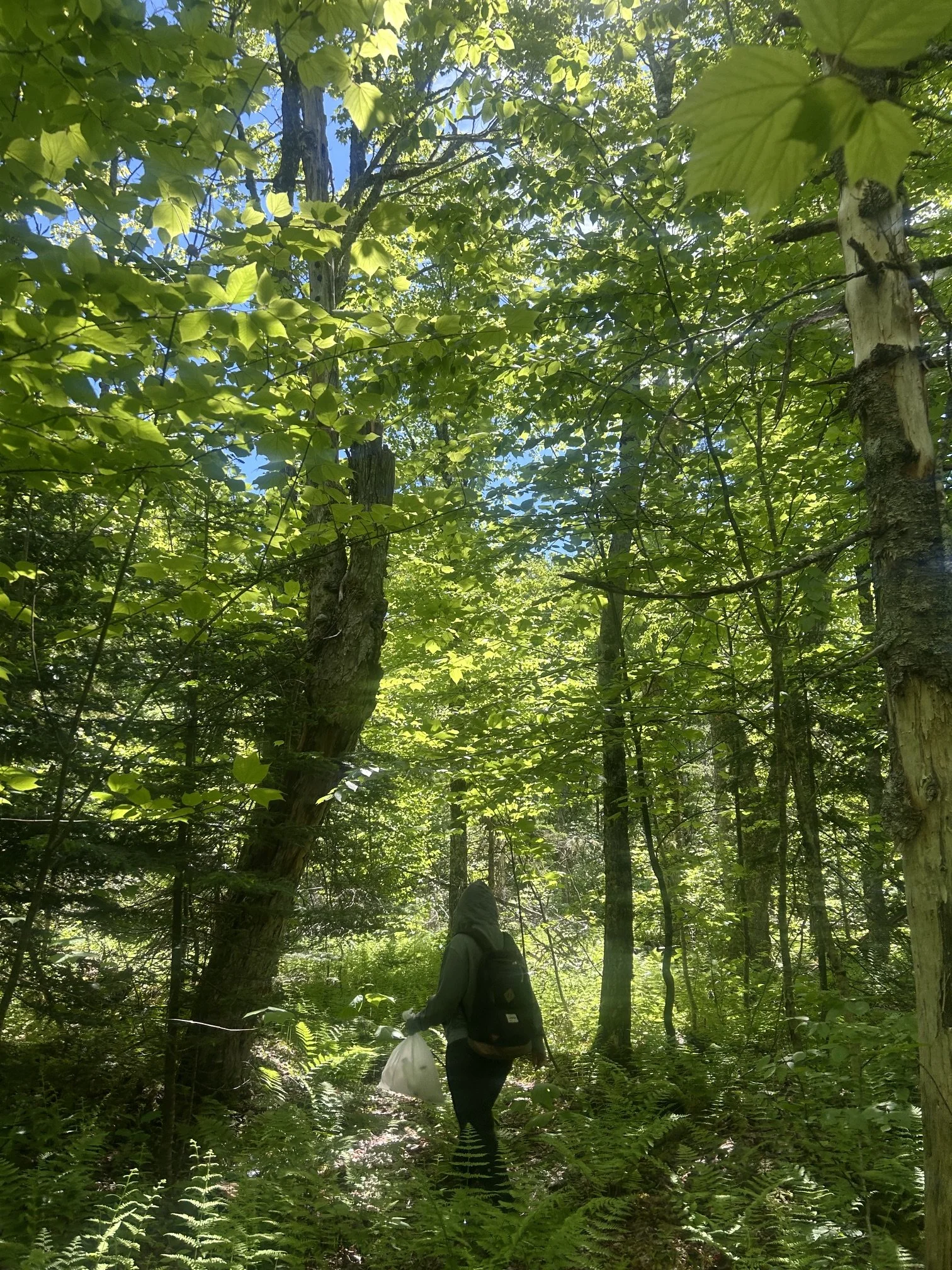
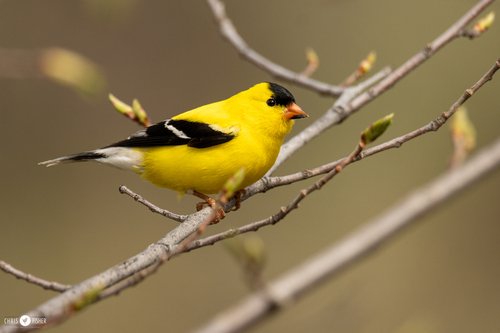
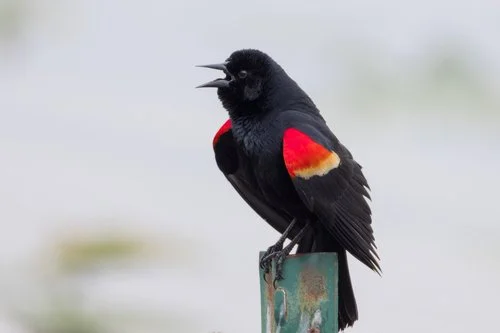
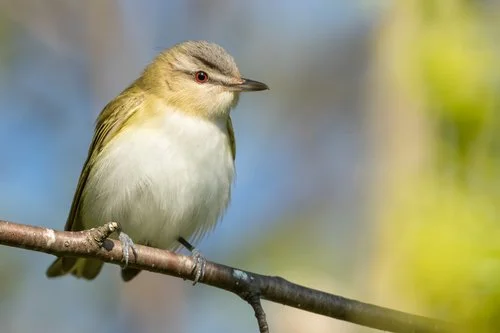
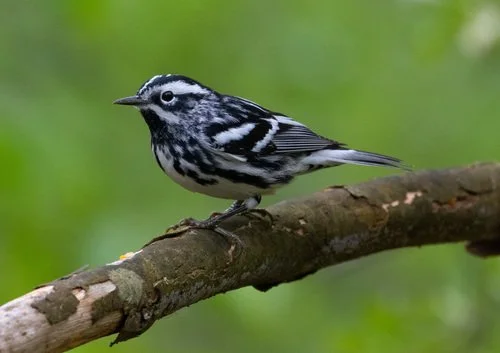
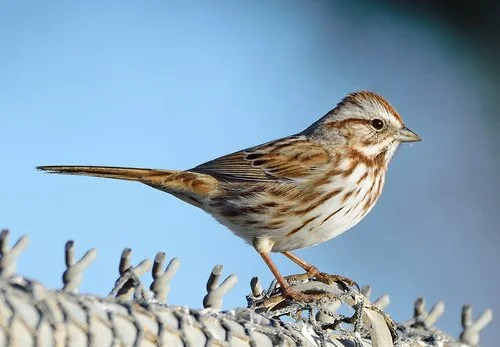
Throughout the year, especially during spring migration, our watersheds are home to an incredible variety of bird species (e.i. forest & woodland, wetland & marsh, grassland, and urban bird species). With the help of audio moth recording devices and citizen science apps like Merlin & iNaturalist, ACAP has been and continues to identify the presence of both common and rare bird species.
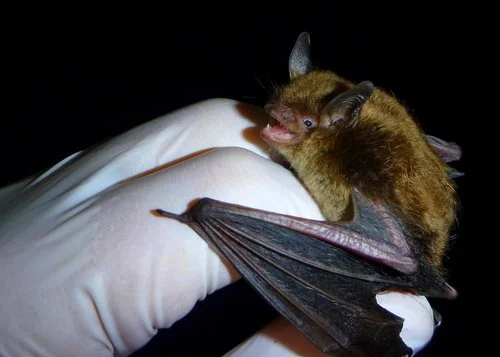
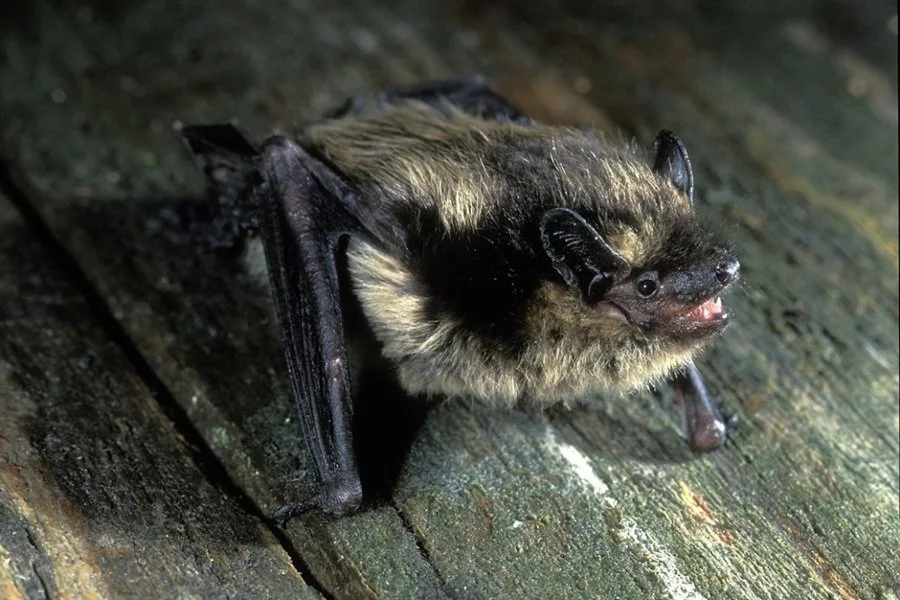
ACAP monitors for bat Species at Risk - the Little Brown Bat & the Northern Bat (Endangered) as well as 5 other bat species known to the province (long-eared, silver-haired, red, and hoary bats). As of 2026, our team has set audio moth recorders in three watersheds in hopes of gaining an understanding of the bat population recovery in Cape Breton after their decline due to White-nose Syndrome.
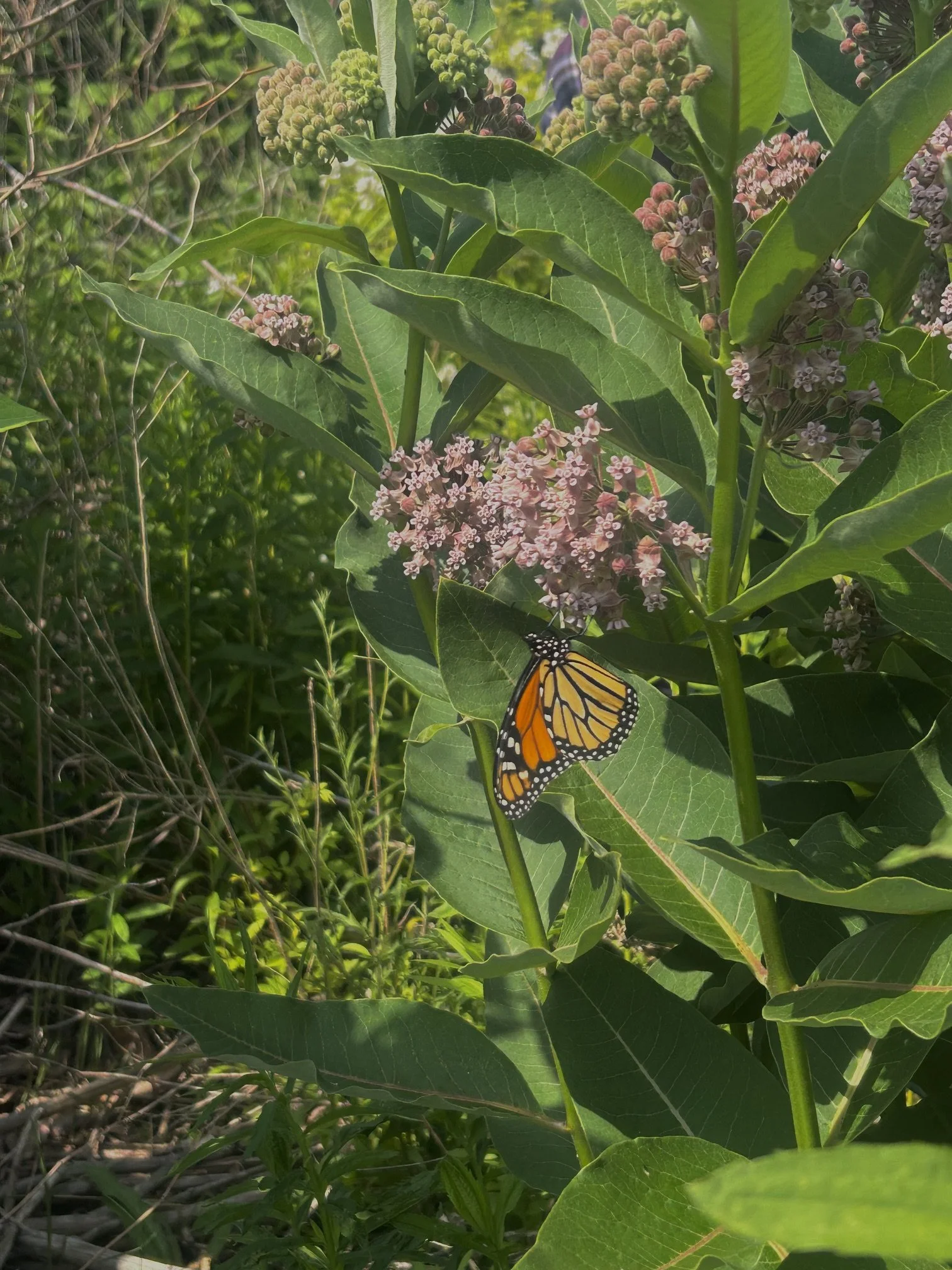
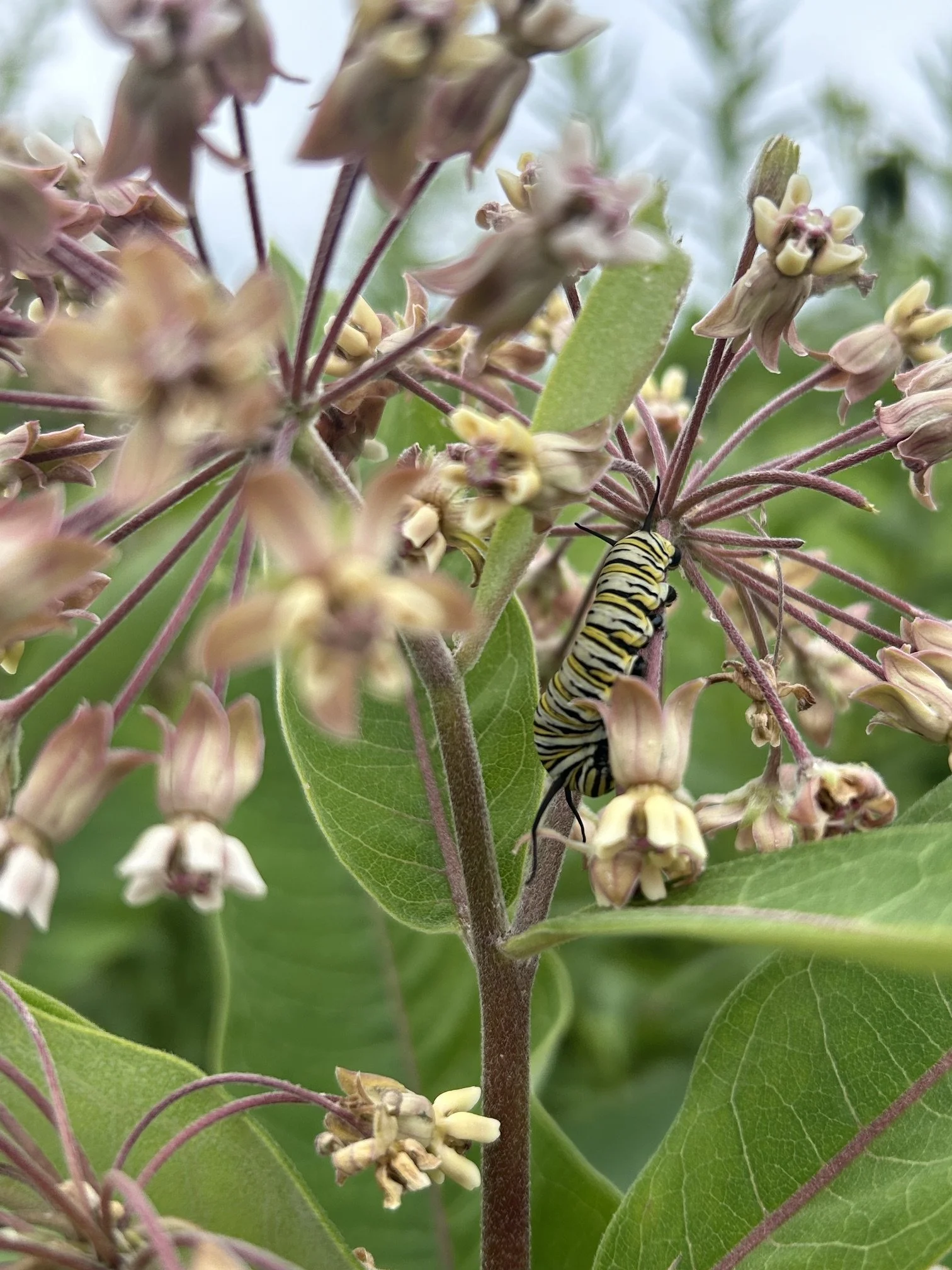
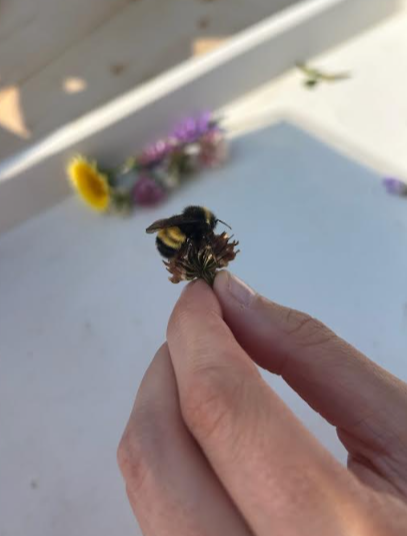
During our Pollinator Species at Risk Project , our ecological monitoring team found the Yellow-Banded Bumble Bee (Vulnerable) and the Monarch Butterfly (Endangered) to be present at both Kelly Lake and Waterford Lake sites. This species is currently listed under the Species at Risk Act, due to threats such as climate change, pesticide usage, & habitat loss.
Other Species
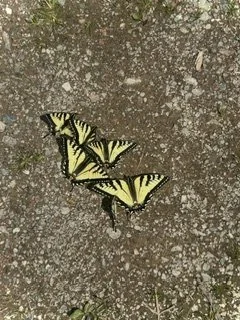
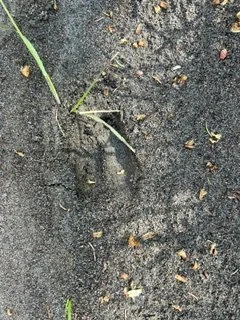
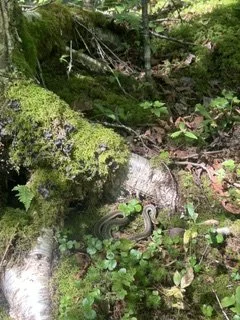
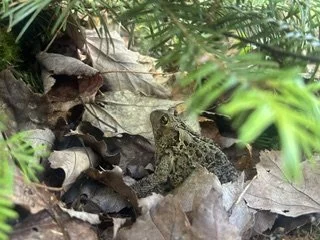
Amongst our lively watersheds lives a variety of species. During our teams routine work visits to the watershed areas, we come across the evidence of the presence of species we aren’t directly looking for in a number of ways (e.i feces, footprints, pathways, and grazed areas) including actually seeing them!
Some examples of what we have seen include: deer, owls, hawks, many frogs, eagles, snakes, beaver lodges/chewed wood, scales, feathers, muddy footprints, burrow holes, dens & more!
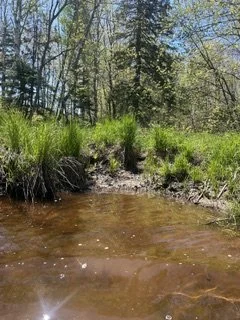
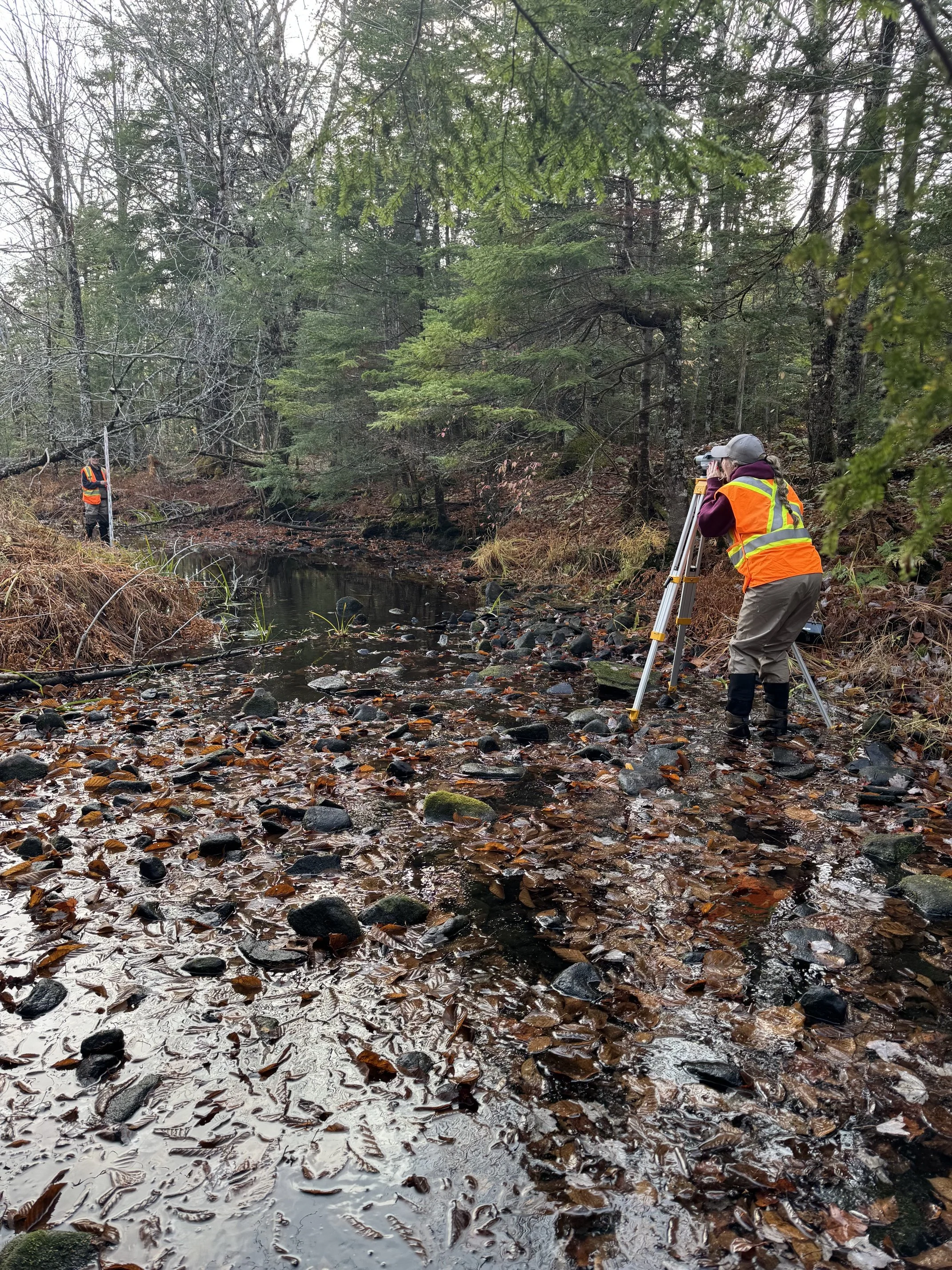
Our stream and ecological monitoring teams complete HSI’s (Habitat Suitability Index) assessments amongst the CBRM to evaluate the suitability of fish habitat. Various factors are taken into consideration including water depth, velocity, substrate, temperature, riparian areas and benthic macroinvertebrates. We use data loggers to collect similar data over a long period of time. These methods are useful for monitoring areas and assessing the quality of fish habitat which has a direct impact on other organisms in the ecosystem.
c:ccfisher
c:sdrov
Plants & Fungi
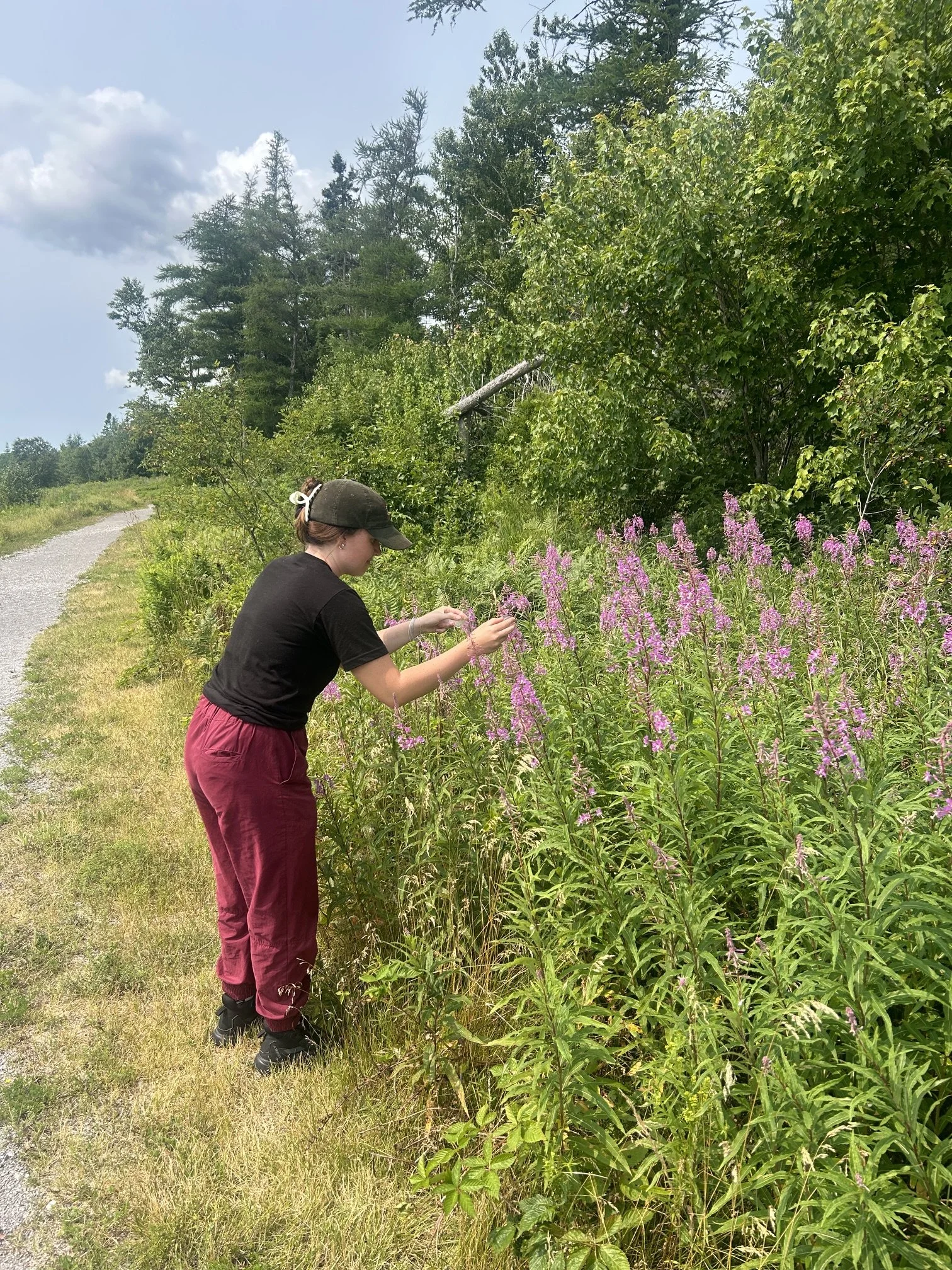
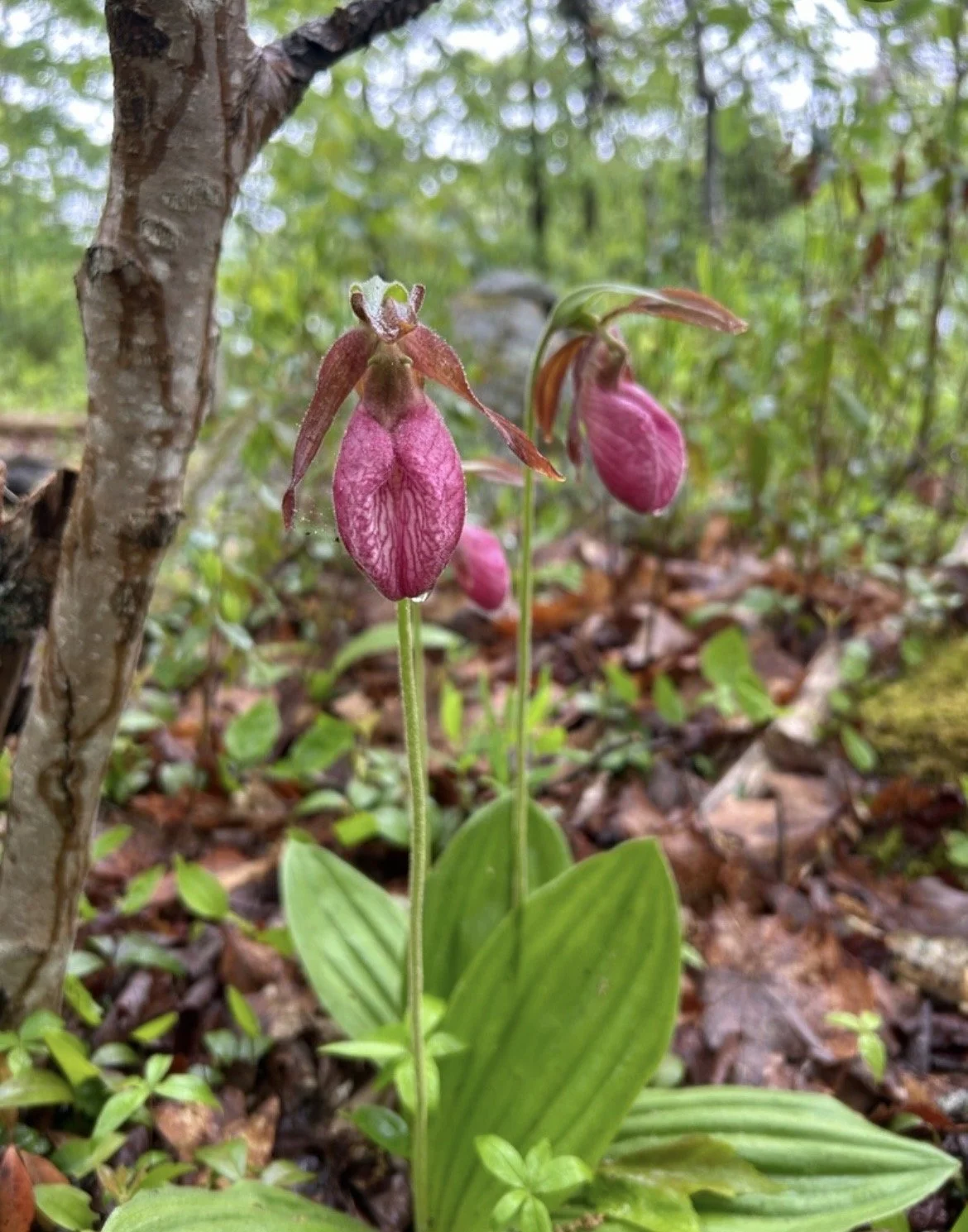
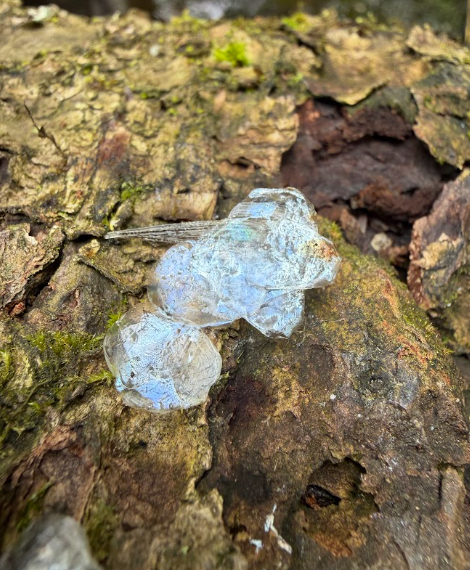
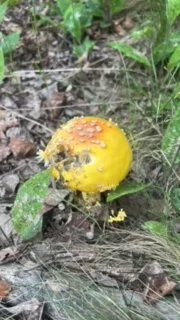
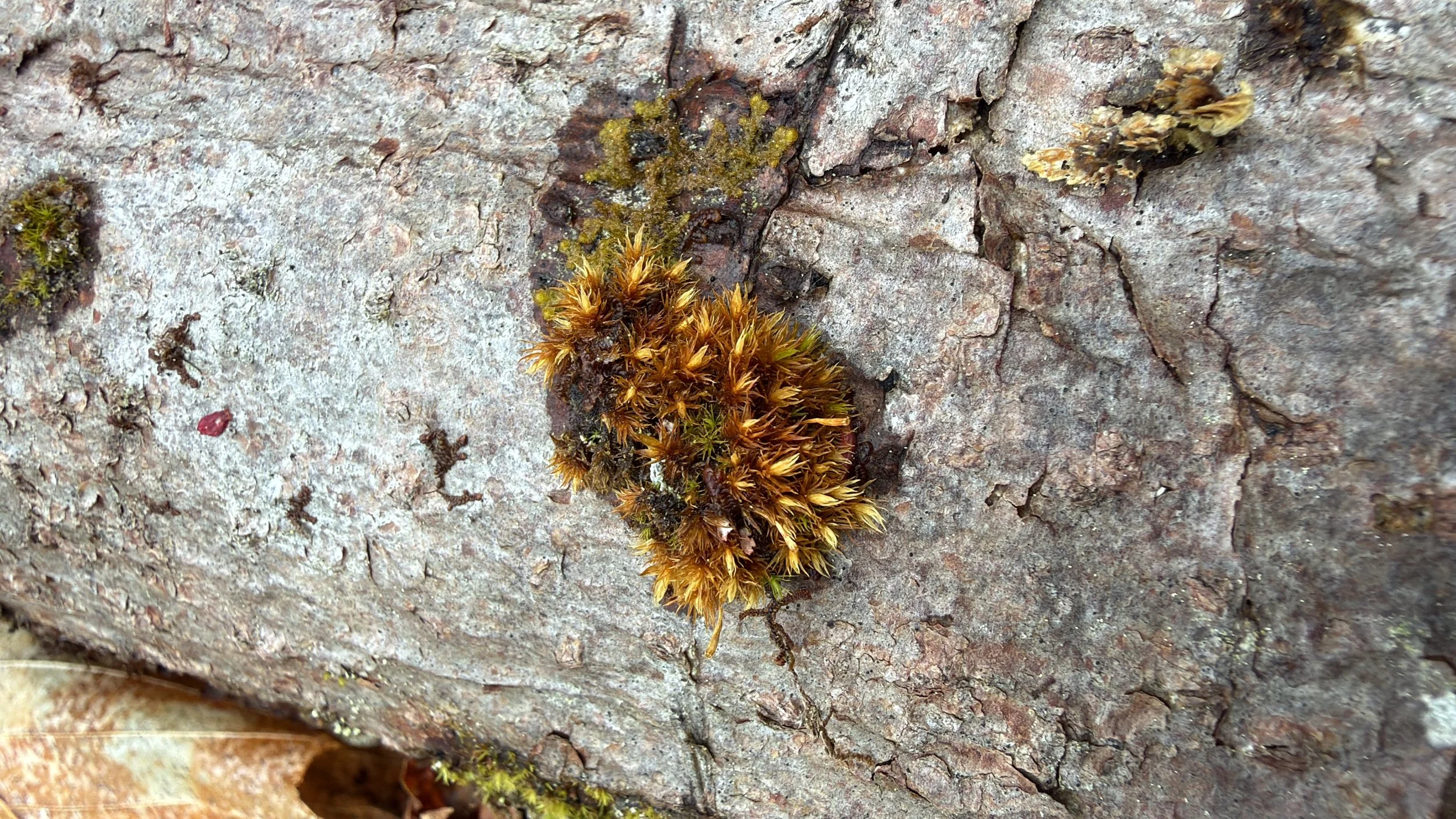
The forests surrounding these lakes are full of plant biodiversity, from the forest floor to the ground up we see a diverse amount of flora. Throughout the watersheds we see a variety of healthy ecosystem indicators - fungi, lichens, mosses, & flowers.
Not pictured is a variety of beautiful lichens growing amongst trees, a number of cool mushrooms including ghost pipe and coral fungi, & forest flowers & moss
Habitat Assessment & Data Loggers
c:kblaney
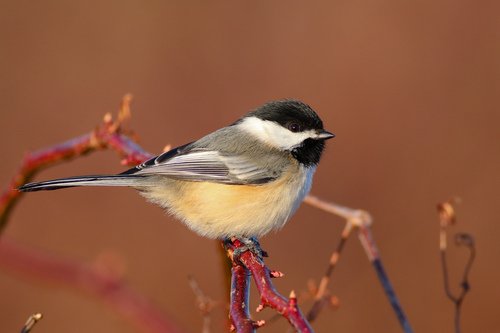
Examples from Pottle - American Goldfinch, House Sparrow, Black-Capped Chickadee, Magnolia Warbler, Black & White Warbler, American Redstart, American Robin, Dark-eyed Junco, Northern Parula, Ovenbird, American Crow, Red-Eyed Viro, Least flycatcher, Northern Waterthrush.
Bat Monitoring
c:ntepper
c:hollycybelle
LBB
c:adkonings
NB
Watershed Walks
Throughout the year, ACAP holds events titled “Watershed Walks” where locals can join our team members on a walk throughout a specific watershed area and learn about its role in the community and as an ecosystem. On these walks there is not only discussion about the function of the wells and water ways but also includes learning about the wildlife and plant presence in the area. Often times, walks will have a specific focus - for example: fungi walks or bioblitz (an attempt to document as many species as possible for an area) If you are interested in learning more about our local forests & where you get your drinking water, these walks are for you.