

Monitoring Projects
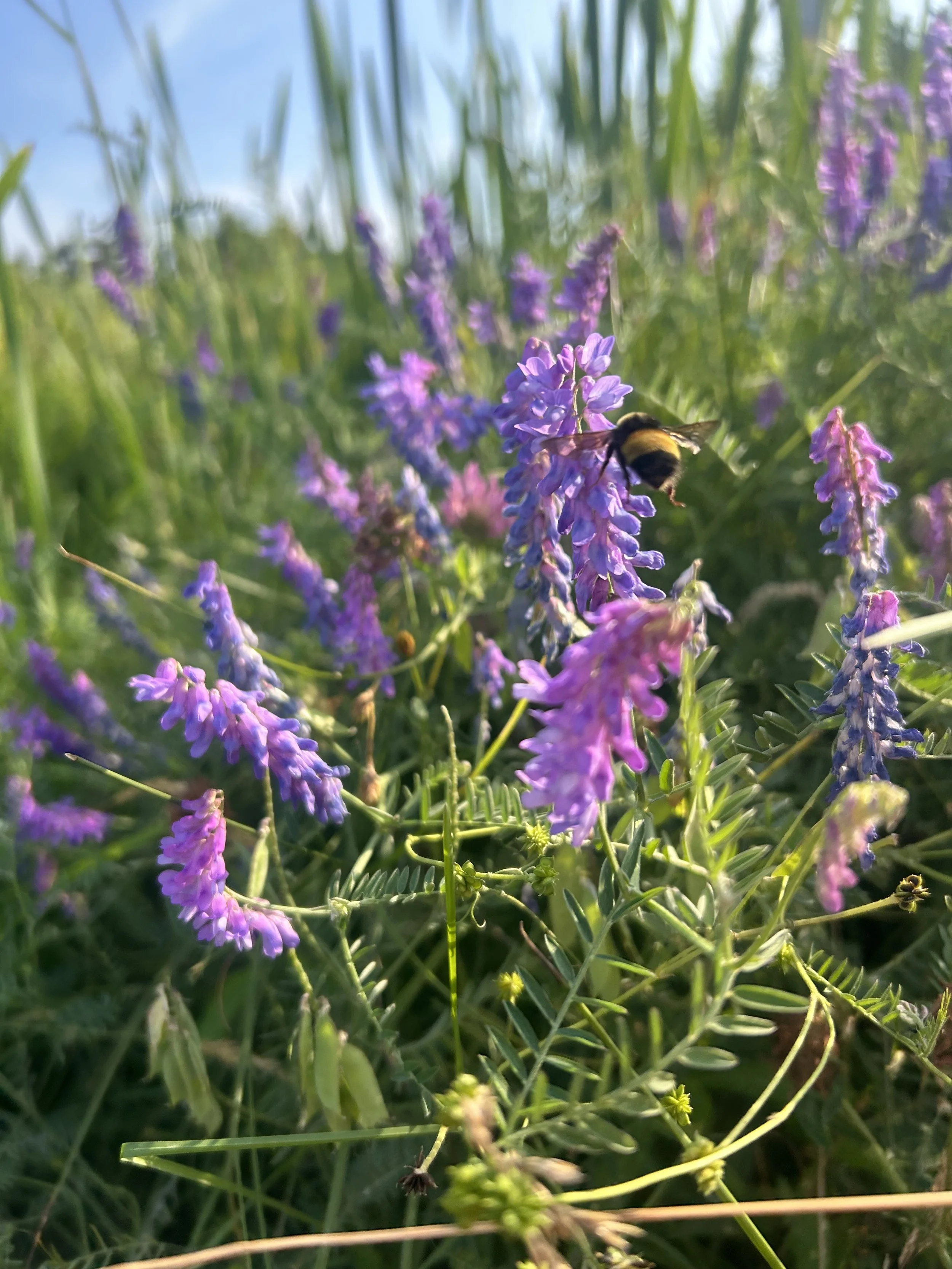
Monitoring Species at Risk
Safeguarding monarchs and at-risk bumble bees through monitoring and conservation in Cape Breton - Unama’ki
Insects such as bumble bees and butterflies are known for their pollination prowess. Not only do they pollinate meadows and wild spaces, but they’re also responsible for pollinating crops that feed our communities. In Cape Breton, wild and cultivated blueberries require pollinating insects to produce fruit, contributing to economic and cultural practices on the island. Pollinating insects face many threats, including pesticides, climate change, and urbanization.


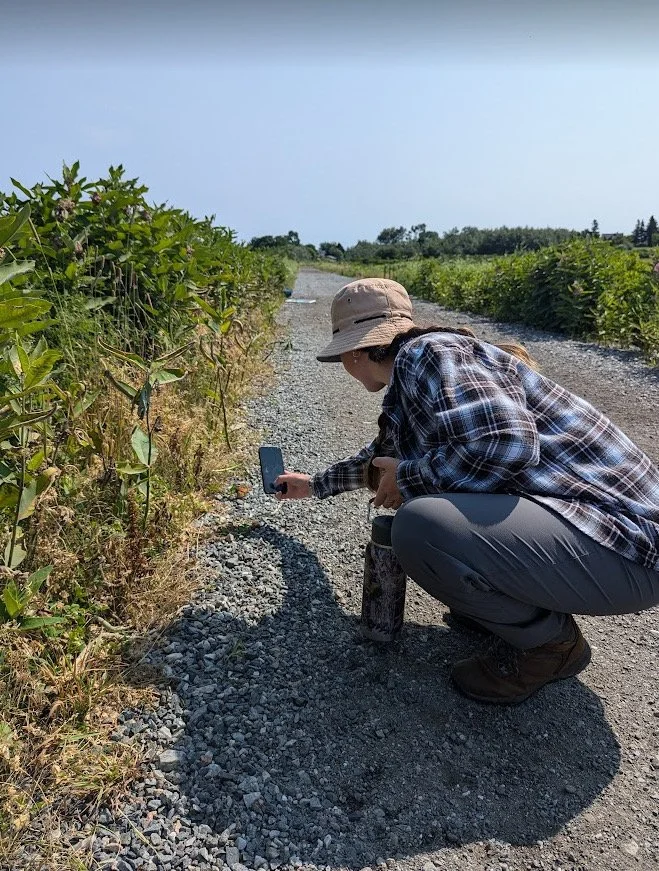
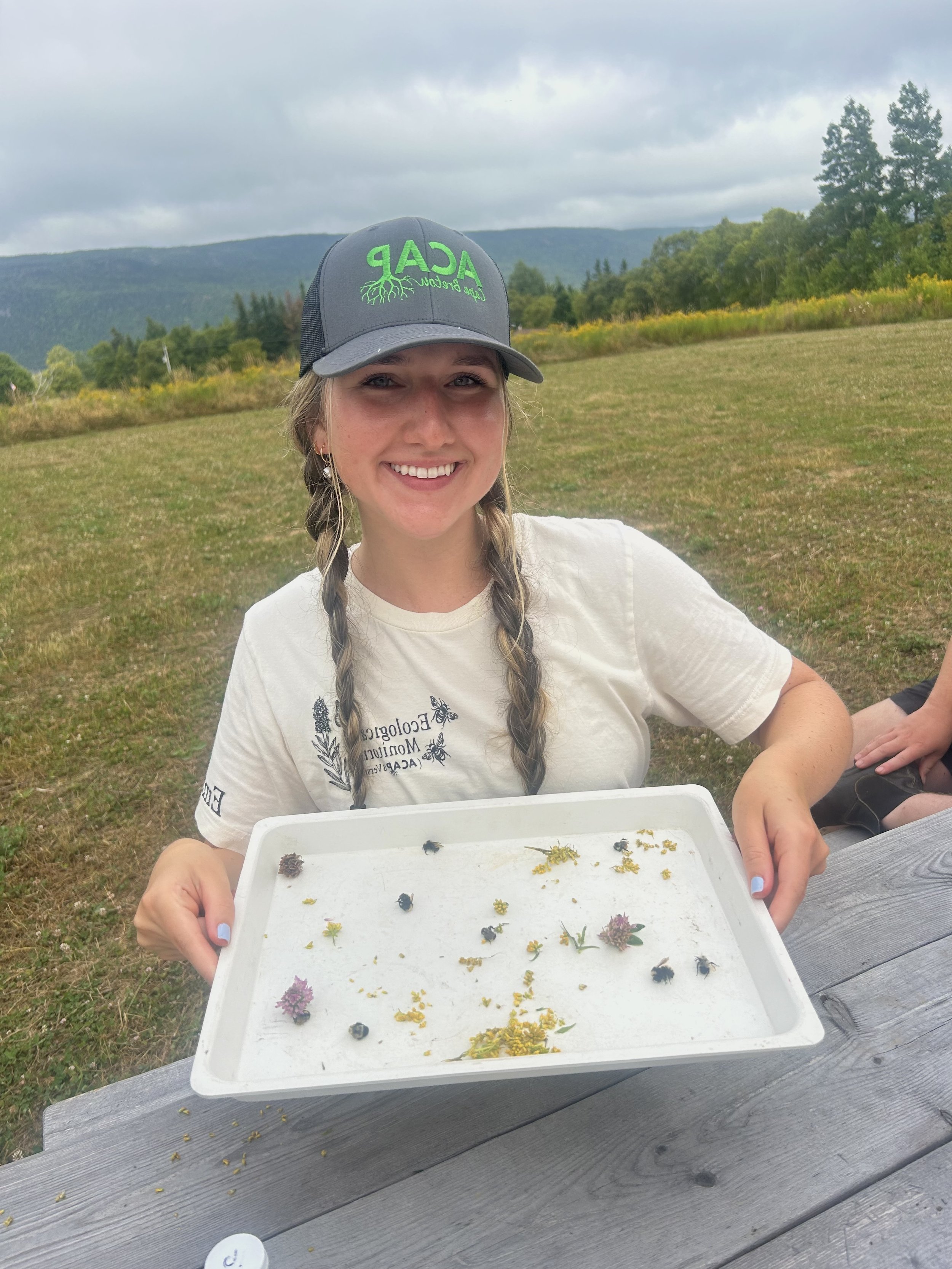
Our research occurs in meadows, fields, roadsides, and wetlands across Cape Breton. To learn more about the bumble bees present at our field sites, we use catch-and-release research methods to quickly identify what species of bumble bees are present. Our monarch monitoring program looks a little different as we use observational research methods to learn more about monarchs (larvae and adults) and milkweed present at various field sites. For all our pollinator monitoring, we catalogue plant species at each site and note the different flowers on which we find bees and monarchs foraging (eating).
Our Purpose
The purpose of our work is to create a clearer picture of monarch foraging preferences, behavior and populations at their most northeastern range while broadening our understanding of the yellow-banded bumble bee and gypsy cuckoo bumble bee habitat, preferred food sources and their populations in Unama’ki. We aim to gather a better understanding of the monarch, yellow-banded and gypsy cuckoo bumble bee species abundance and their density on the island.
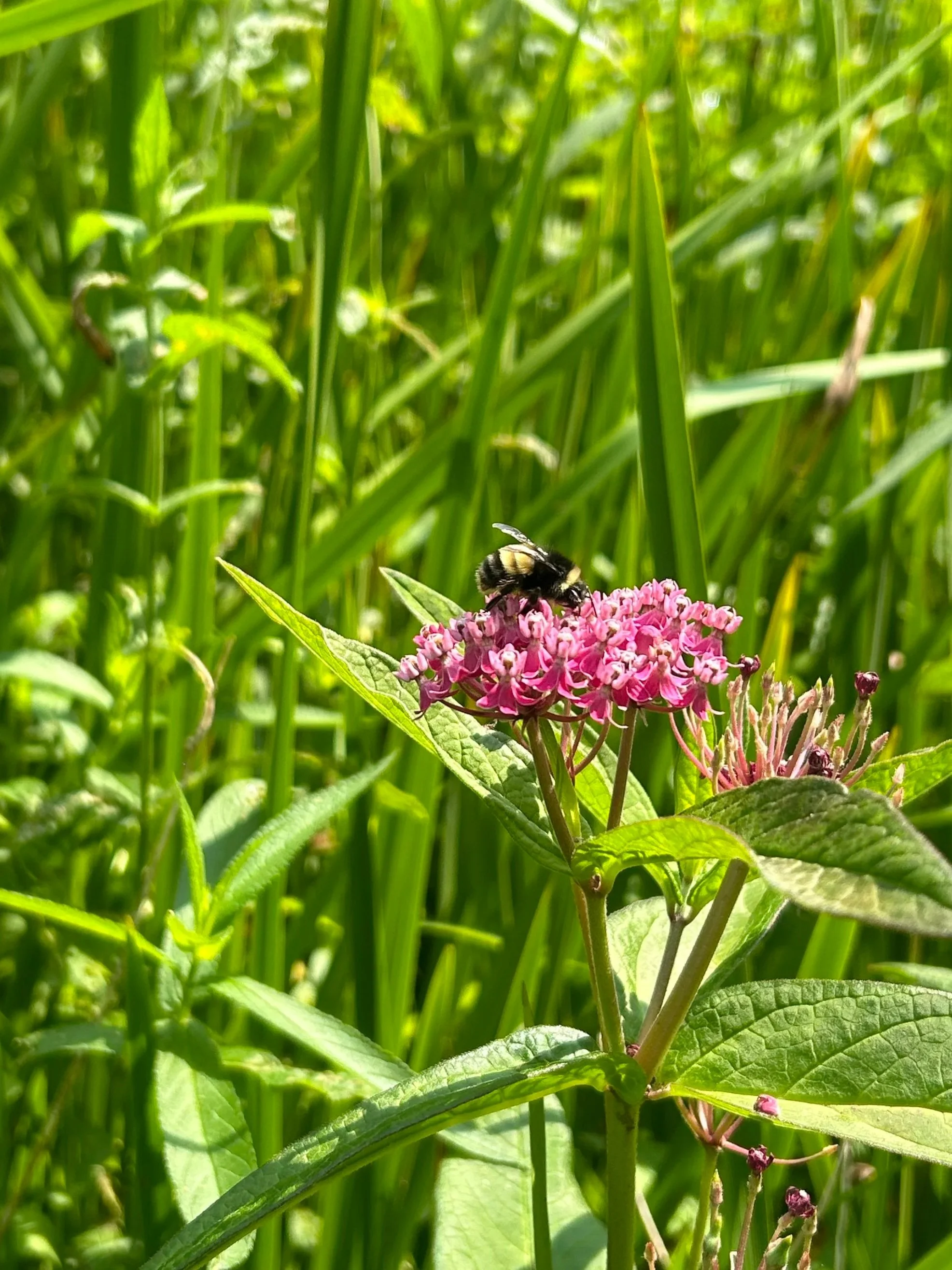
Local Seasonal Pollinator SAR
Each pollinator species monitored by our ecological monitoring team is recognized under the Nova Scotia Endangered Species Act and Canada's Species at Risk Act as assessed by the Committee in the Status of Endangered Wildlife in Canada (COSEWIC).
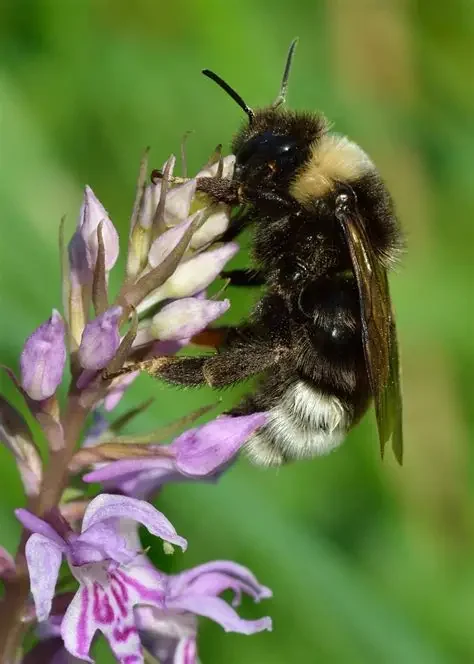
Yellow-Banded Bumble Bee (Bombus terricola)
As of 2017, the Yellow-Banded Bumble Bee was officially listed as Vulnerable under the Nova Scotia Species at Risk ActThey are easily identifiable by their distinct yellow and black banded pattern: yellow “collar” with a predominantly black thorax, 2nd and 3rd abdominal segments are yellow, and the last segment will often have light yellow hairs.
Bumble bees are exceptional pollinators as they have a unique technique called “buzz pollination” where they vibrate their wings, shaking the pollen loose from flowers. Because of their hairy bodies, they are adaptable to variable weather conditions including cooler temperatures and light rain.
Monarch Butterfly (Danaus plexippus)
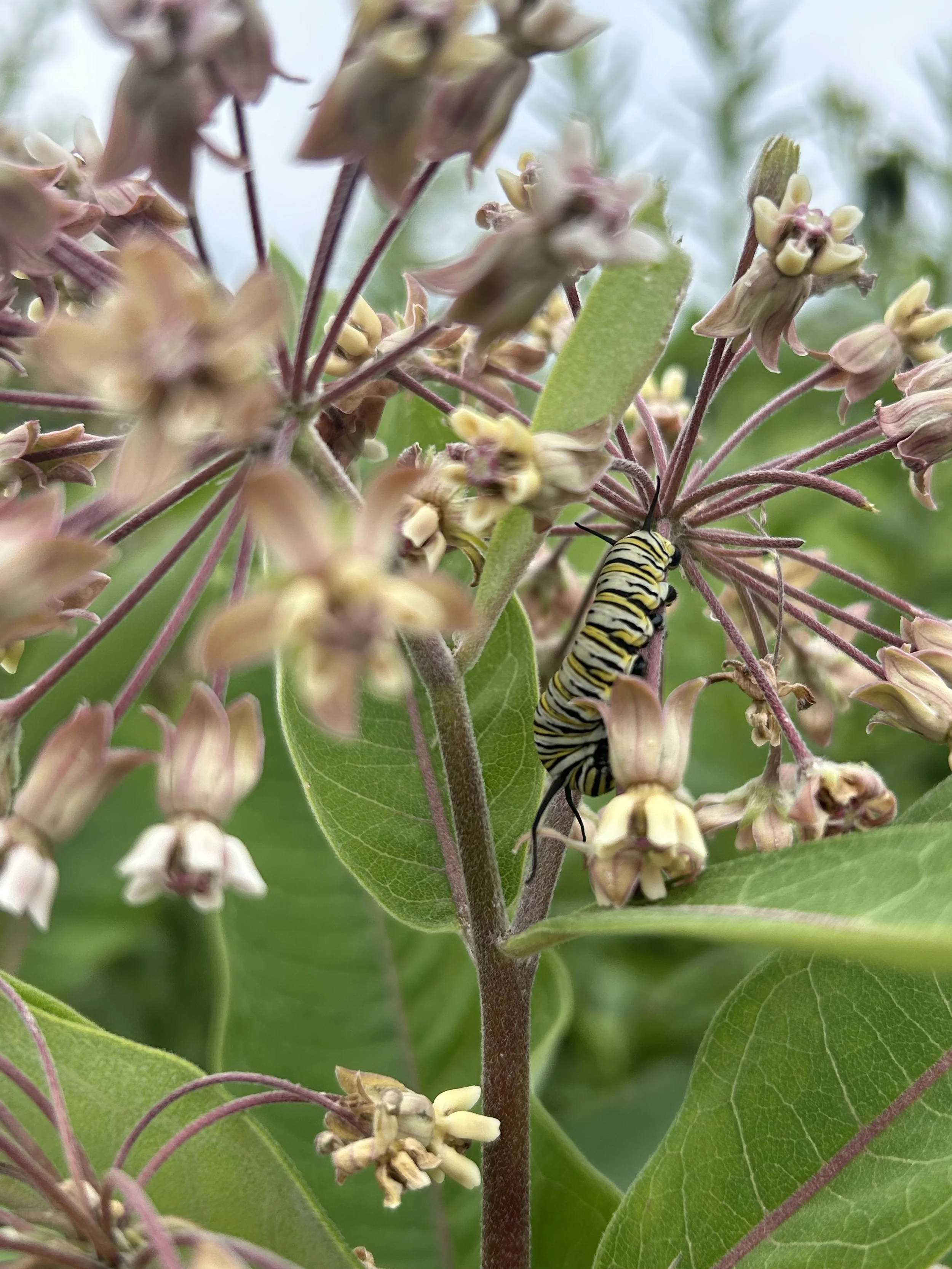
Although considered globally secure, the monarch is nationally and provincially at risk. Since 2017, the Monarch has been listed as "Endangered" under the Nova Scotia Species at Risk Act due to their declining population caused by loss of overwinter habitat, pesticide usage as well as increased severity and frequency of storms.Monarchs go through complete metamorphosis with 4 stages: egg, caterpillar (5 stages of larvae), pupa (chrysalis) and adult butterfly.
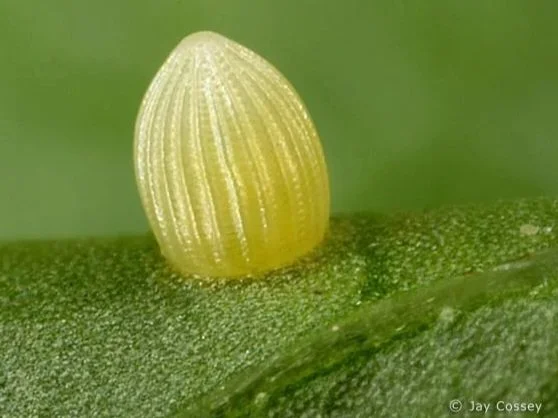
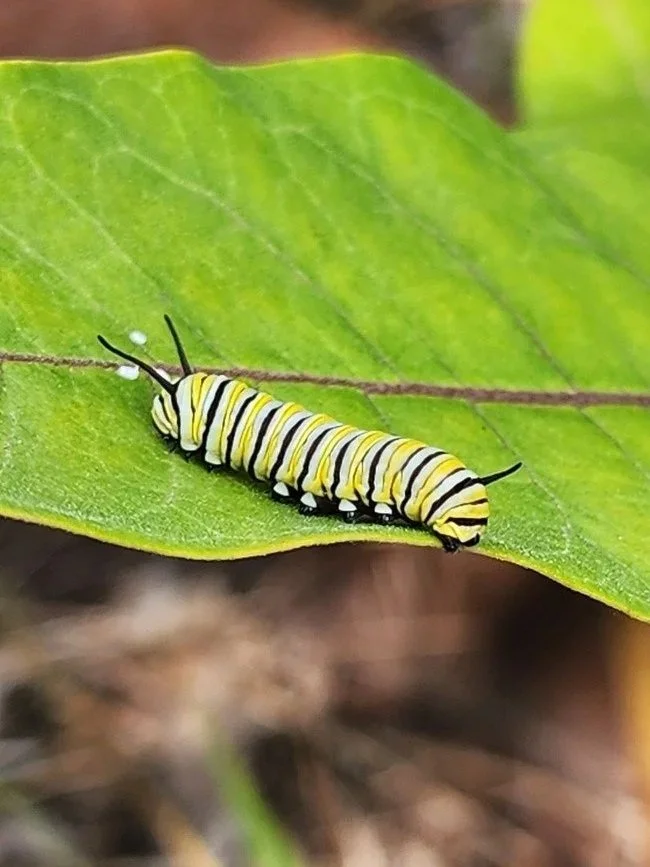
Egg
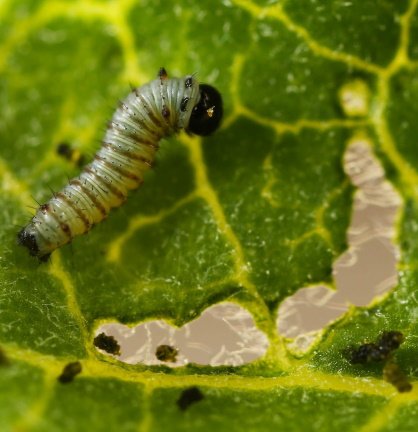
3rd Instar
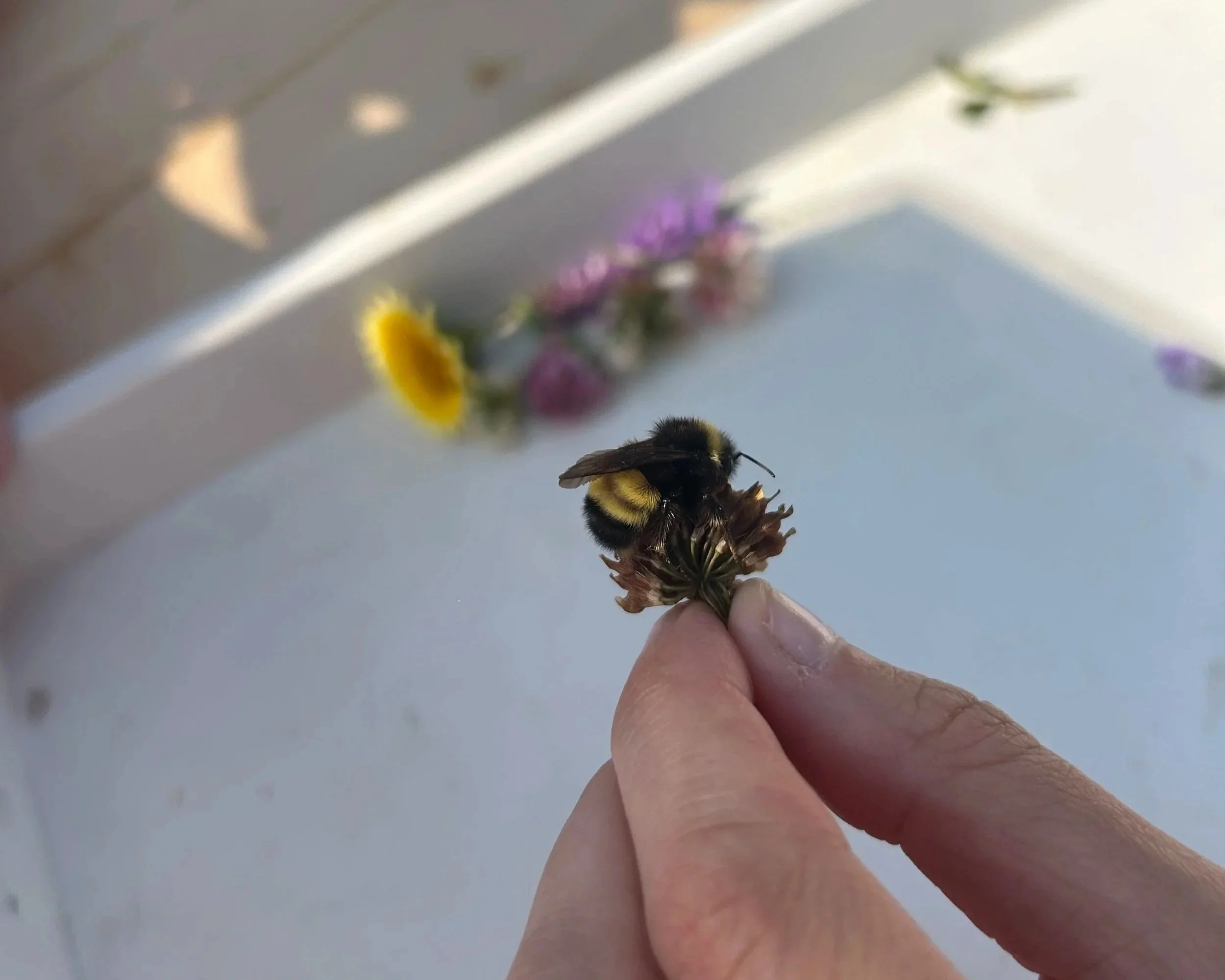
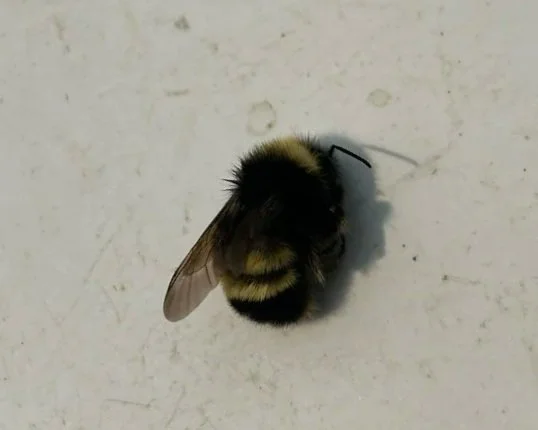
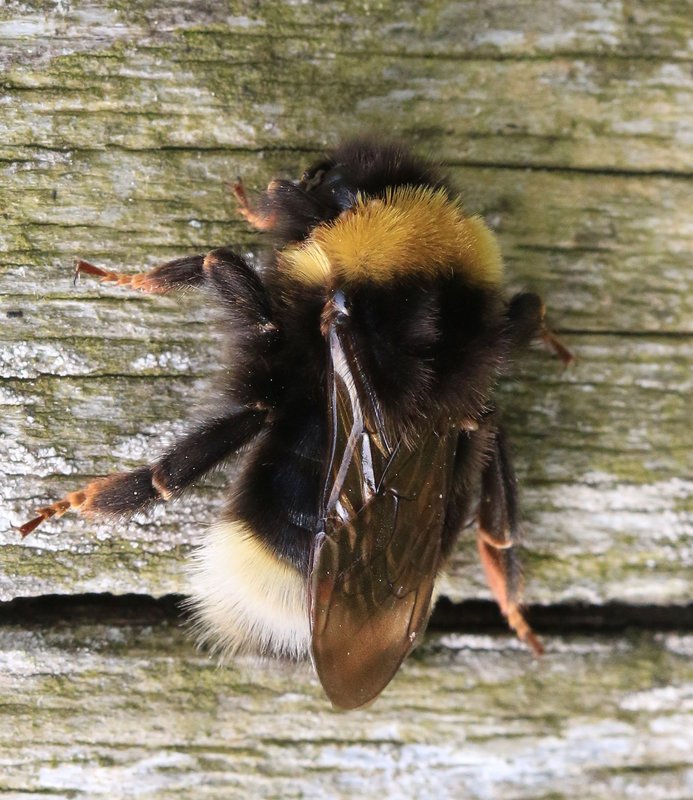
Gypsy Cuckoo Bumble Bee (Bombus bohemicus)
As of 2017, the Gypsy Cuckoo Bumble Bee was officially listed as Endangered by the Nova Scotia Species at Risk ActThey are know as a nesting parasite; females invade the nests of host bumble bee species, including the Yellow-Banded Bumble Bee, and lay their eggs to be reared by host workers. The success rate of this species heavily relies on the wellbeing of host populations and timing of invasion.As of 2026, this species has not been seen in Cape Breton since 2002 when it was last observed in Whycocomagh.
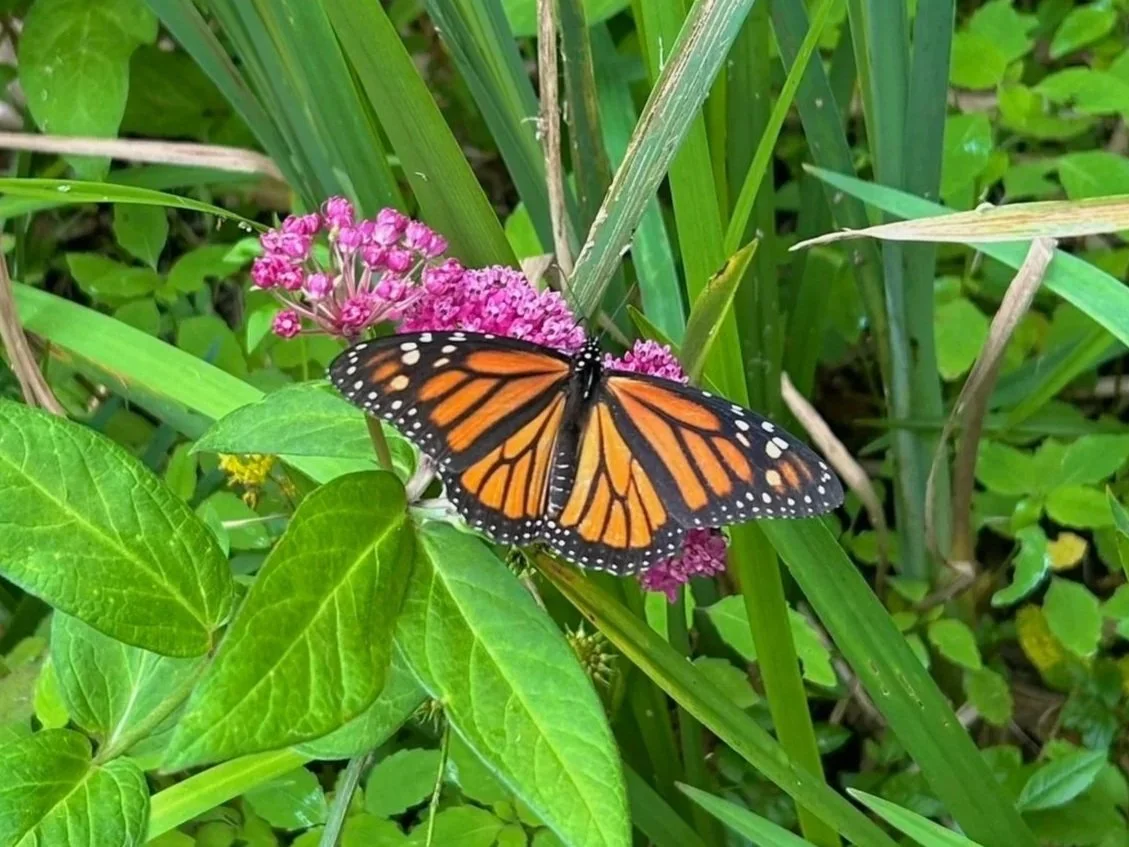
*Fun Fact: you can easily identify the stage of a monarch larvae by the length of their antennas in addition to body length & colour brightness*
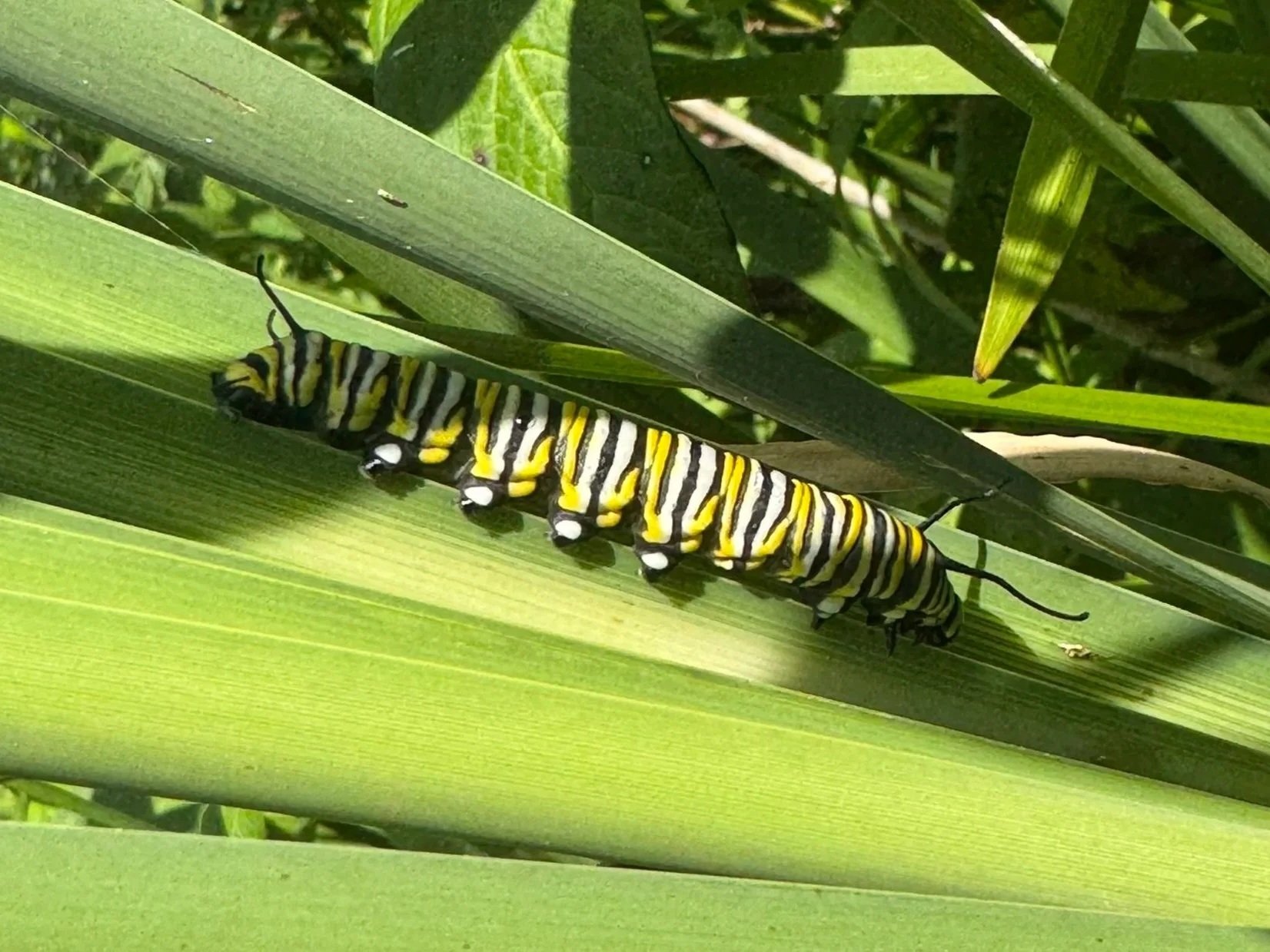
4th Instar
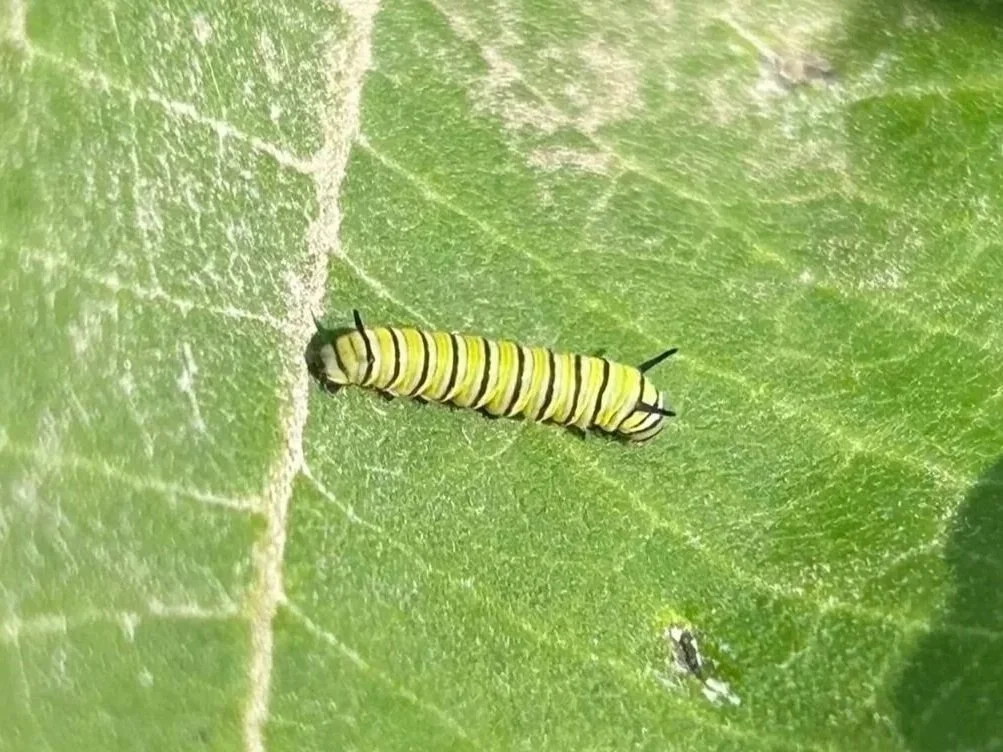
1st Instar
2nd Instar
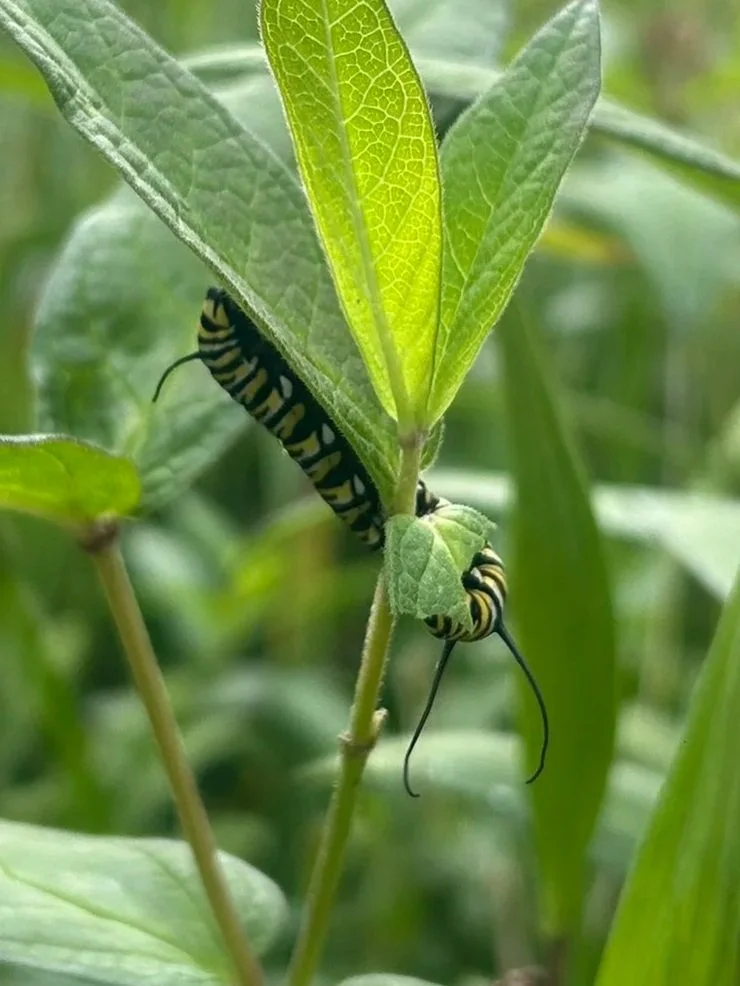
5th Instar
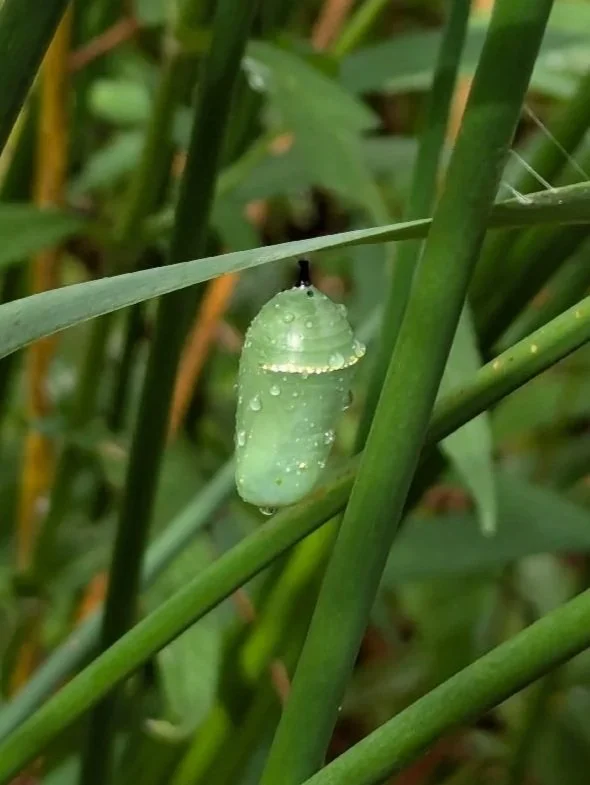
Pupa
Interested in getting involved in bumble bee and monarch monitoring in Cape Breton - Unama’ki?
Upload photos of bumble bees, monarchs, and milkweed to iNaturalist and join ACAP’s bumble bee project and monarch and milkweeds project!

Check out our brochure on how you can help at-risk pollinators from home.